High Line
Among the dozens of parks in New York City, The High Line stands out for its suspended architecture in the streets of Manhattan’s West Side and for all the urban interventions that take place around it.
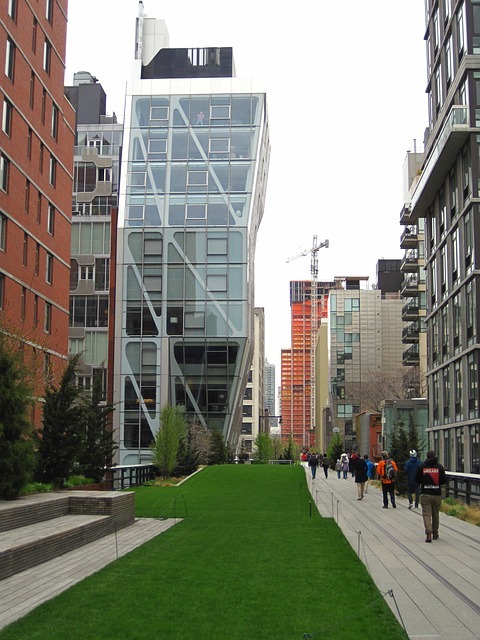
Created from an old disused railroad line, with rails 10 meters high, the park is the result of the work of the group “Friends of the High Line”, which has transformed and takes care of this historical structure in one of the most interesting corners of the city, with a kind of mixture of park and open-air art gallery.
The train lines are no longer as visible as in the past, as they have been replaced by flowers and transformed into an open-air sidewalk, but it is still possible to feel a nostalgic tone while walking or sitting on one of the dozens of benches to rest and enjoy the landscape.
In the spring, the park is full of flowers and it is very beautiful to see life growing in the middle of the buildings and paths. In summer, the place is frequented by thousands of people every day, with several attractions for children and adults.
In particular, there is a lot of graffiti on the walls and in the buildings and the way the space has been intelligently used. Take the opportunity to get to know the neighborhood in the lower part of the park. The West Side is growing and becoming one of the most exciting places in the city with its bars, restaurants, art galleries and lots of things to do.
The entire High Line is not even 1.5 km long, and you can walk there without any problems. Just use a good pair of shoes to comfortably contemplate this mixture of art and typical New York landscape.
For more information, please contact us:
Official website :
www.thehighline.org
Open every day from 7am to 7pm.
The entire park is wheelchair accessible;
The park has prohibitions and rules of use, consult the official website.
Location :
The park has several entrances, but the main ones are at both ends.
Main accesses :
Gansevoort Street – 14th Street (access by elevator)
30th Street West (elevator access)
Other entries :
- 16th street west (access by elevator)
- 18th Street West
- 20th Street West
- 23rd Street
- 26th Street West
- 28th Street West